Singapore · Southeast Asia Stopover · Three Solo Work Trips · Verdict Piece
I have been to Singapore three times, all solo, all for work, and I still haven’t done half of what a family stopping over here on the way to Bali or Phuket or Bangkok could touch in two full days. I am starting there because it also answers the question most of the internet keeps hedging on. Singapore isn’t a layover you endure. It is a city worth building a layover around. The only real question is whether you have the two days to actually do it right, and whether it is a work stop or a family stop, because the answer changes a little for each.
This article is not sponsored. All three visits were on my own booking for work, and nobody at any of the places I mention knew I was going to write about them.
Why Singapore Is the Stopover I Would Actually Build a Trip Around
Two audiences ask the same question about Singapore, and they mostly get the same answer. The solo work traveler landing at Changi on a Sunday night wants to know what is worth doing in three or four evenings after the office empties out. The US family flying through Singapore on the way to a bigger Southeast Asia trip wants to know if it is worth pausing the momentum for two full days before they get to the beach. There is plenty of overlap between those two answers. Marina Bay after dark, a hawker meal, an Orchard Road walk, a Long Bar Singapore Sling, and a proper look at the older neighborhoods. Where the answers split, they split cleanly. Later nights and cocktail bars for the work trip. Earlier nights and one clear kid-friendly moment for the family. I will tag both verdicts as they come up.
What makes Singapore work as a stopover is that the whole city is small enough that you aren’t trading time for distance the way you would in Tokyo or Bangkok. You can spend a morning in the Botanic Gardens, a mid-afternoon at Long Bar, and an evening walking Marina Bay, and none of those legs are eating an hour of transit. That is the real reason Singapore rewards a short visit better than most of the other cities in the region. You can actually do things.
How Long You Actually Need for a Singapore Stopover
The short answer if you are traveling with the family: two full days. Land the night before, get to bed, then two full days morning to night, then travel on to the rest of Southeast Asia the following morning. That is the shape of a Singapore stopover that actually lets you leave feeling like you saw the city instead of ticking a box on the way to somewhere else.
The work trip reality is different, and I wouldn’t pretend otherwise. Chicago to Singapore for me is a twenty four hour travel day. Chicago to San Francisco, then San Francisco to Singapore, and the SFO to SIN leg alone is seventeen and a half hours in the air. Arrival is spent landing, getting to the hotel, and sleeping. The next morning I am at the office, and the only Singapore I get to see is the evening version, three or maybe four times before I fly back. If you are on a similar work rotation, plan for that. You aren’t doing Singapore in the middle of the workday. You are doing it in the two or three hours between dinner and when your body finally admits defeat.
One thing I would say to anyone planning a personal trip rather than a work one: aim for midweek. There is a lot going on in Singapore on the weekends, and while the crowds are part of the character, the city is easier to enjoy when you aren’t fighting for a table. Land the night before, give yourself two full days, then continue your journey the following morning. That is the sweet spot for a family stopover, and it also happens to be the pattern that leaves the most flexibility if a flight gets delayed or the kids need an extra sleep-in.
Singapore Is a Southeast Asia Hub, Not an Australia Layover
You will see Singapore recommended as a stopover on the way to Sydney or Auckland. Technically it works, the flight from Singapore to Sydney is about seven hours, and it does break up a long-haul route. I would still tell you to save it for a Southeast Asia trip specifically.
Singapore has ferry connections to nearby countries and a road connection to Malaysia, as well as flights around Southeast Asia. How long it takes to reach a ferry terminal depends on where you are staying and the traffic. Use Singapore as the start or the end of a two week Southeast Asia loop and it is well worth it. Use it as a rest stop on the way to Australia and you are wasting a city that could be the whole first leg of your trip.
The Places I Would Build a Short Visit Around
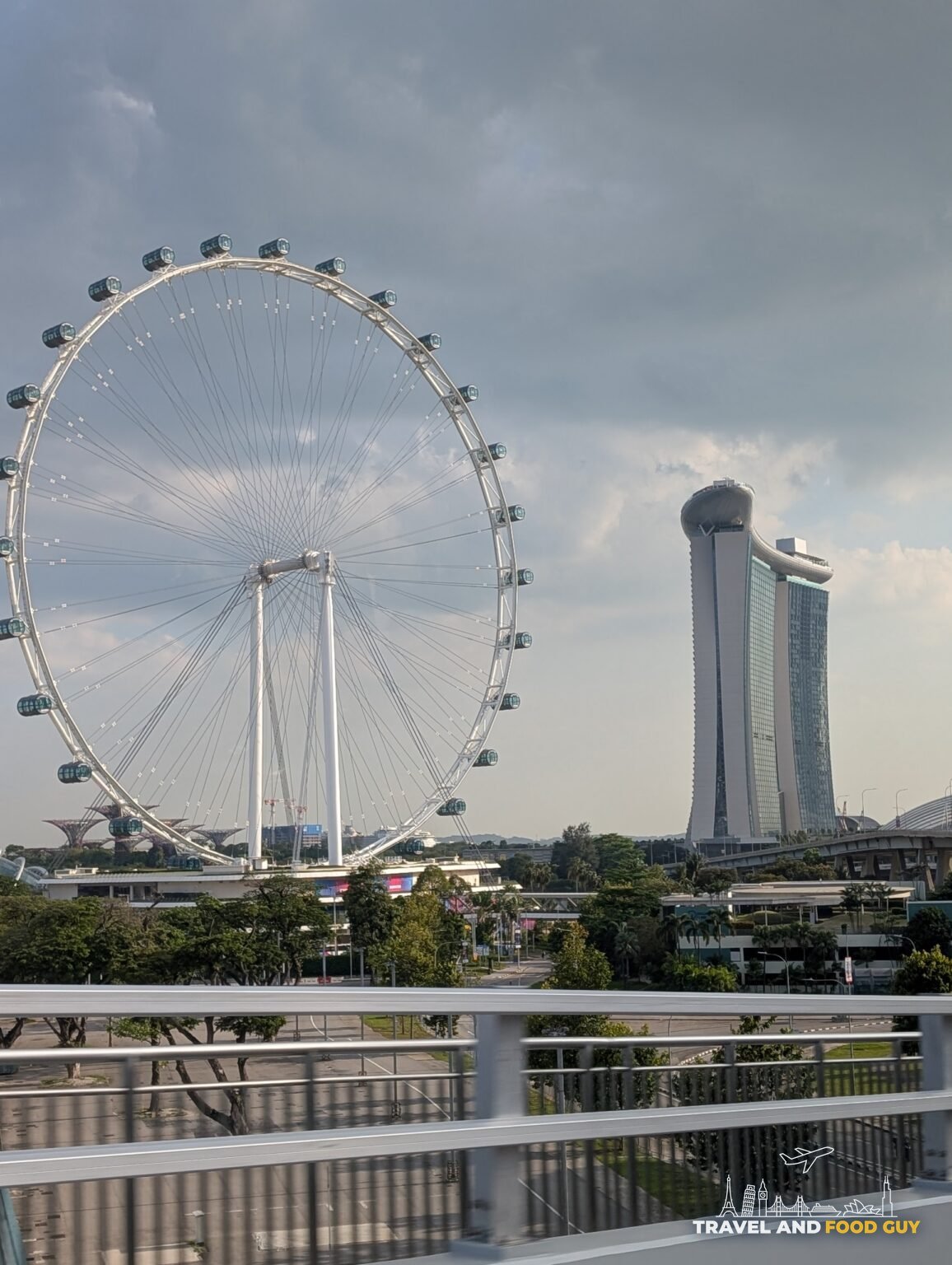
I would group a short visit by area and leave time for meals and the heat. For two days, keep the plan in the city rather than trying to fit everything in. These are the places I would choose between, with Sentosa left for a longer stay.
Marina Bay After Dark, the Supertrees, and the Apple Floating Dome
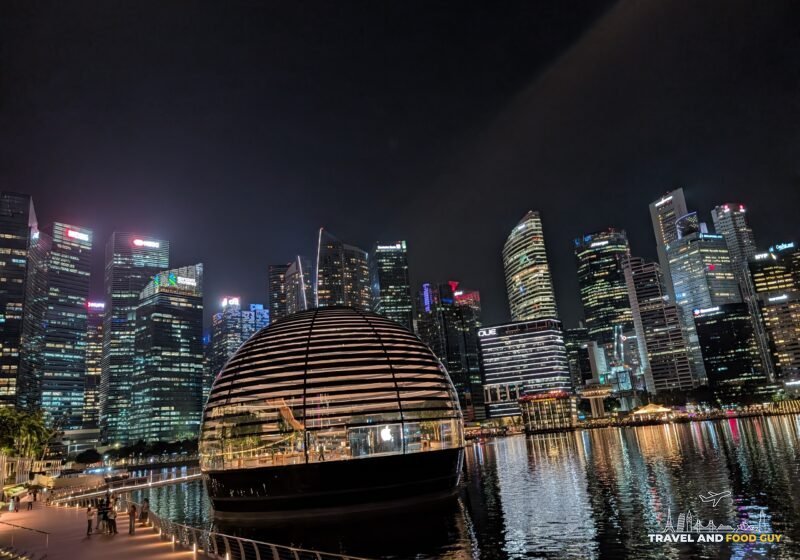
Marina Bay at night is the highlight of the whole trip for most first-time visitors, and it should be. You walk the perimeter, you catch the free Supertree Grove light show at Gardens by the Bay, you see the ArtScience Museum lotus lit up across the water, and you end up in front of the Apple Marina Bay Sands floating dome, which is a glass hemisphere sitting on the water like a jewelry box. The Apple store is the sleeper move. It is free, it is open late, and the reflection of the CBD skyline in the water behind it is the view that most guides tell you to pay for at the Marina Bay Sands observation deck. That deck has its uses. This isn’t one of them.
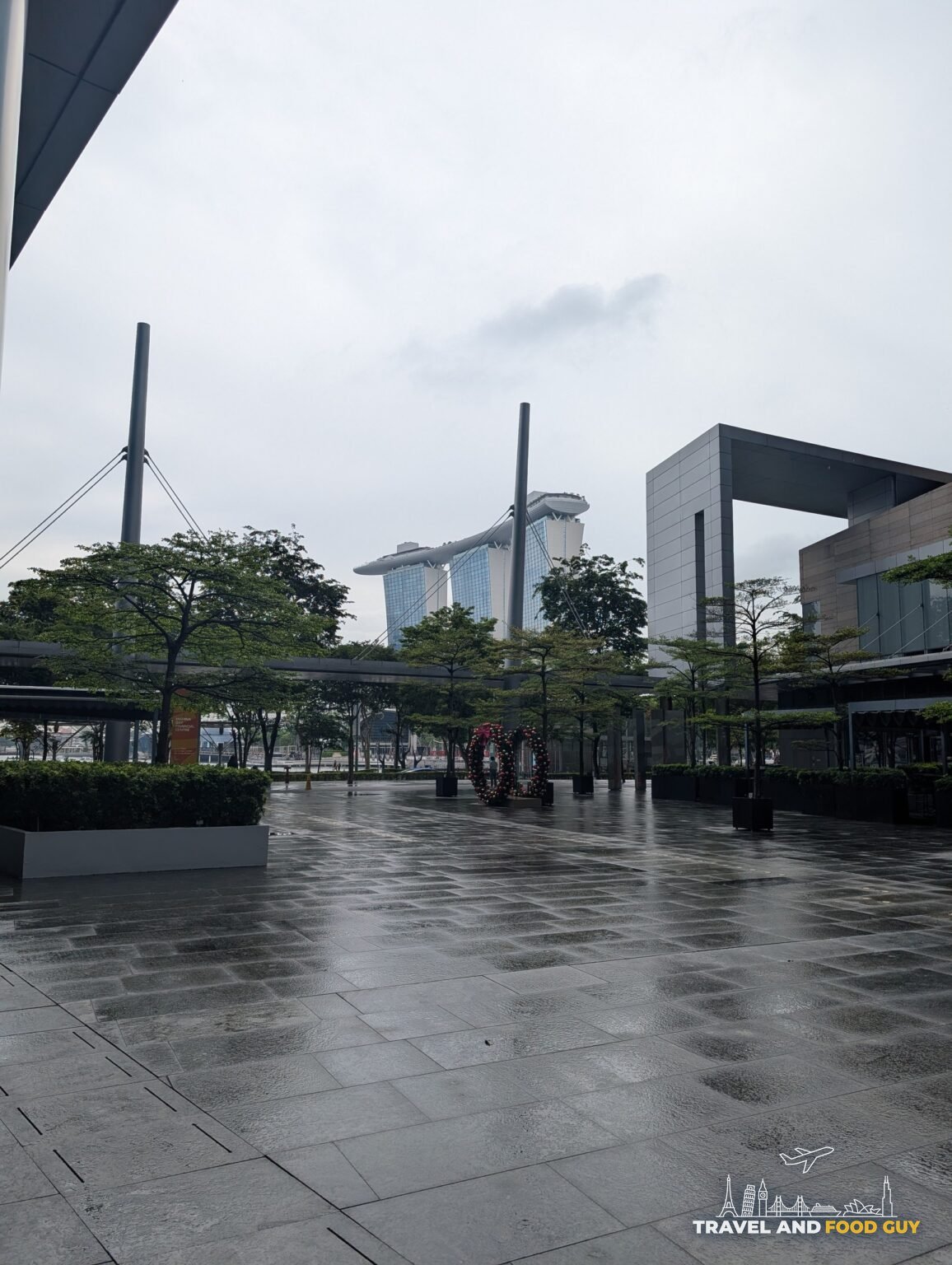
If you are there on a Formula One weekend, the calculus changes. The Grand Prix runs the waterfront circuit right through this area, and if you have tickets, everything else becomes secondary. If you don’t have tickets, plan around it. Event closures can interrupt waterfront walking routes, so check the current access arrangements before planning your evening.
The Botanic Gardens, Three or Four Hours in the Morning
This is one I haven’t done yet on any of my three work trips, and it is the top of the list the next time I come back with the family. What I know from friends and colleagues who have done it: budget three to four hours, go in the morning before the heat gets serious, and give yourself real time inside the National Orchid Garden if you are into that. It is a UNESCO site, it is free to enter the main gardens, and it feels like a break from the city rather than another attraction to check off. On a two day stopover, this is your morning of day two.
Chinatown and the Older Neighborhoods, Daytime
The older parts of Singapore, Chinatown, Kampong Glam, Little India, are where the city stops looking like a set piece and starts feeling like a place people actually live. Walk them during the day. The shophouses, the temples, the produce markets, and the smaller hawker stalls are the version of Singapore that gets crowded out of most travel guides in favor of the Marina Bay skyline. Don’t skip this. It is also where the food ratio tips most in your favor, which we will get to.
Orchard Road and Bugis, Shopping and Shophouse Alleys
Orchard Road is the shopping spine of the city. ION Orchard is the flagship mall, and the strip runs for what feels like a mile of luxury tenants (Louis Vuitton, Dior, Tiffany, Chanel, most of it) with the malls physically connected to the MRT and to each other by underground passages. If you came to shop, this is the answer. If you didn’t, the walk itself is still worth an afternoon because that is where you really see how packed and built up the city is.
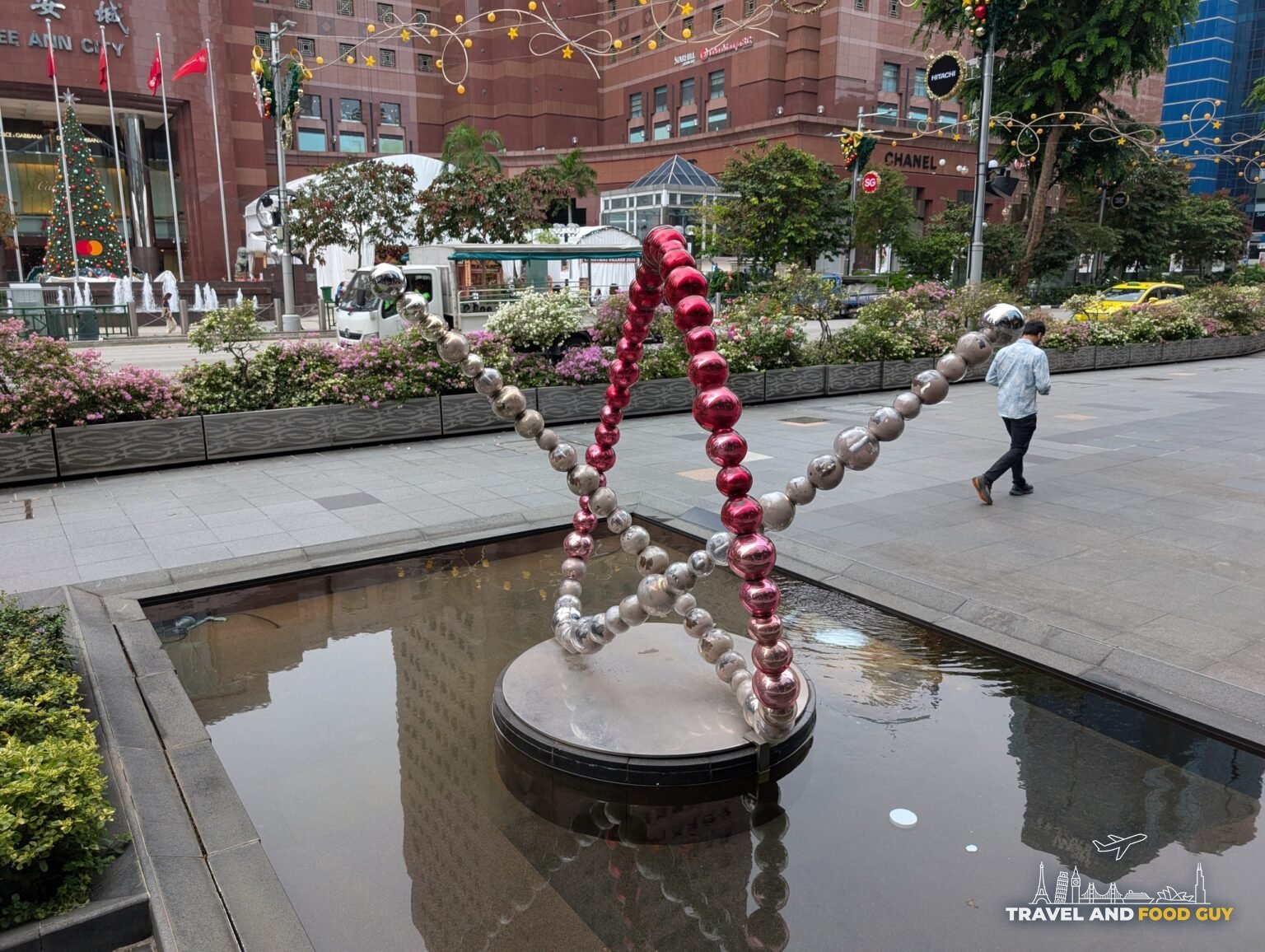
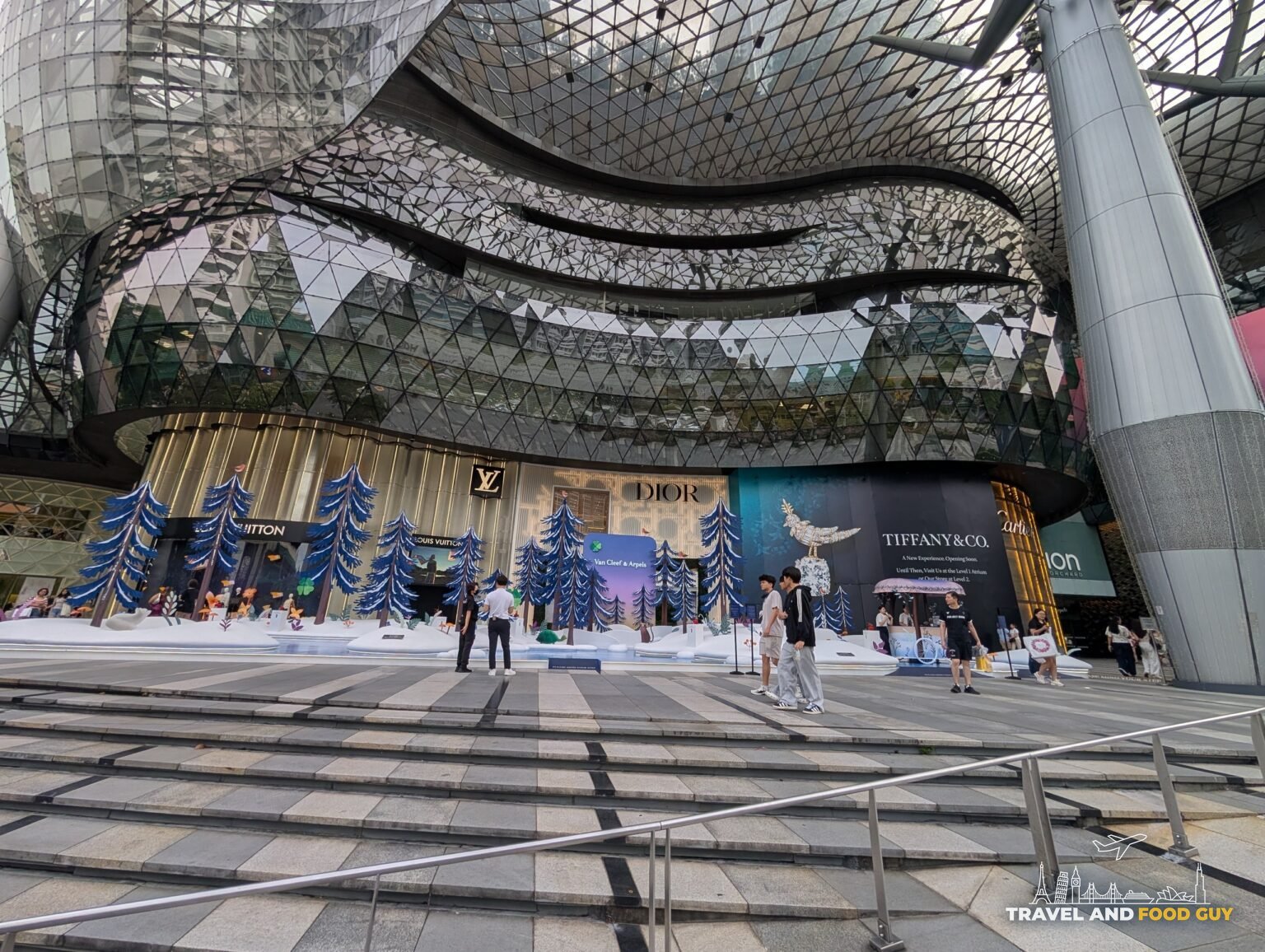
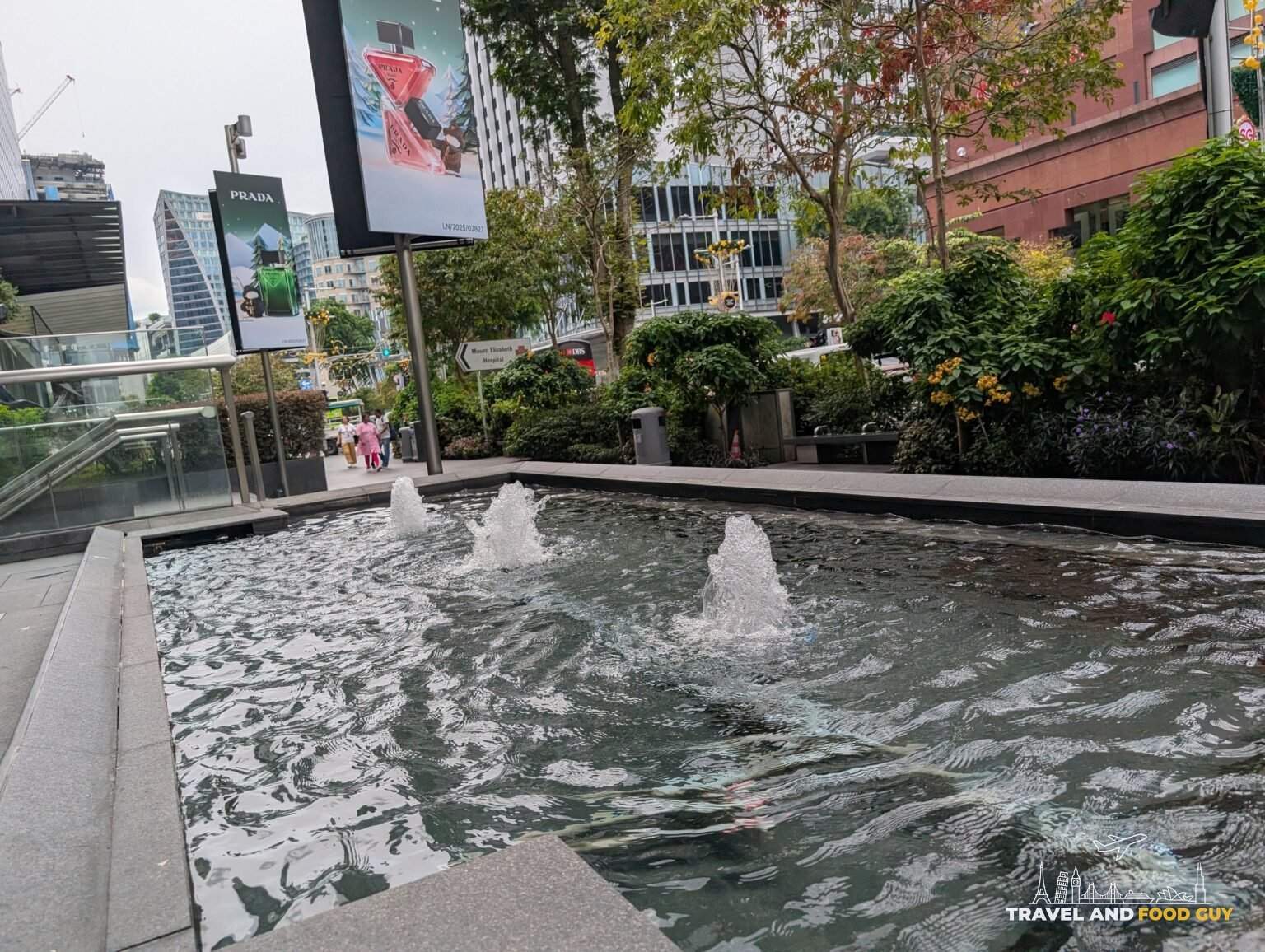
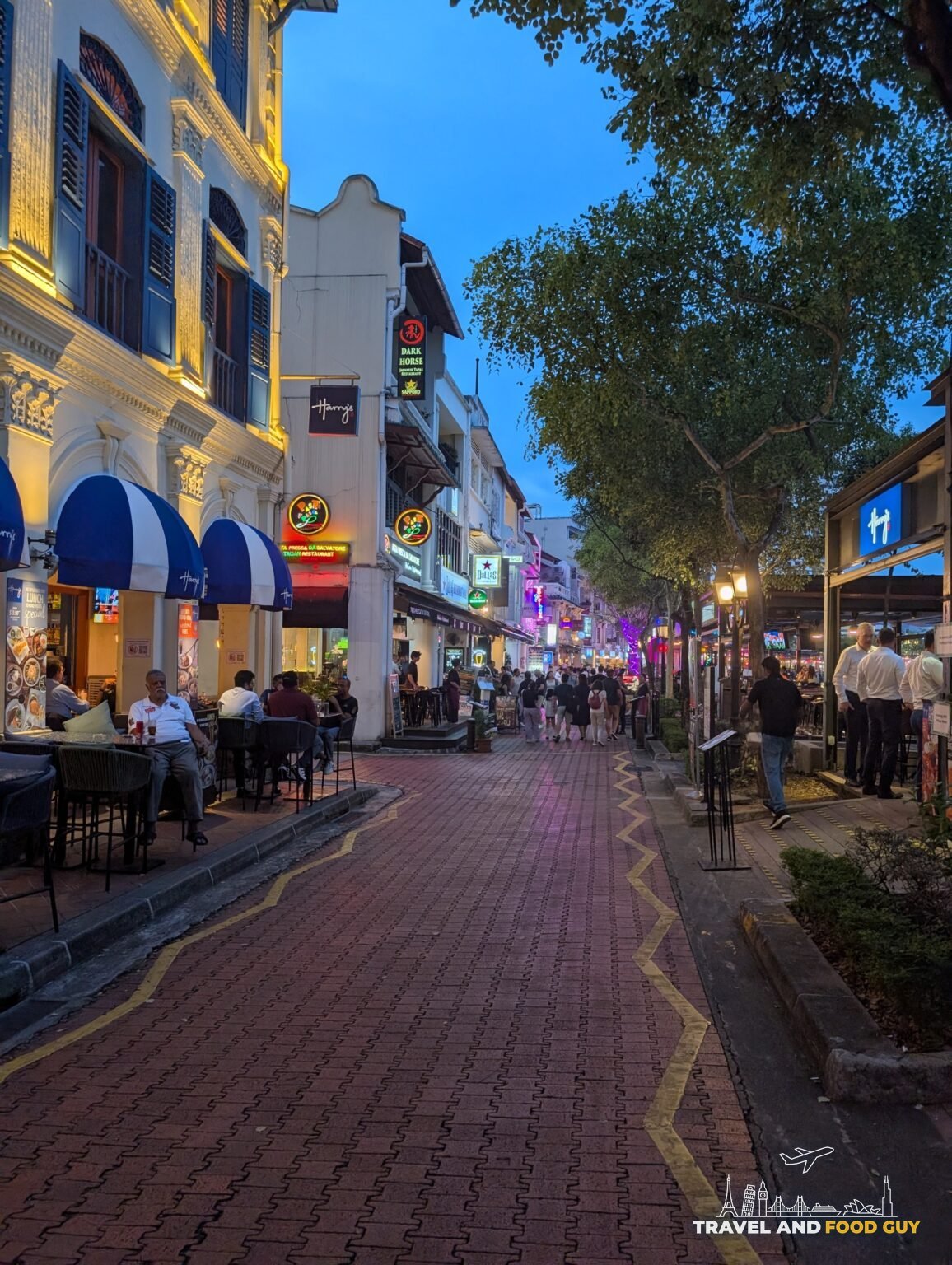
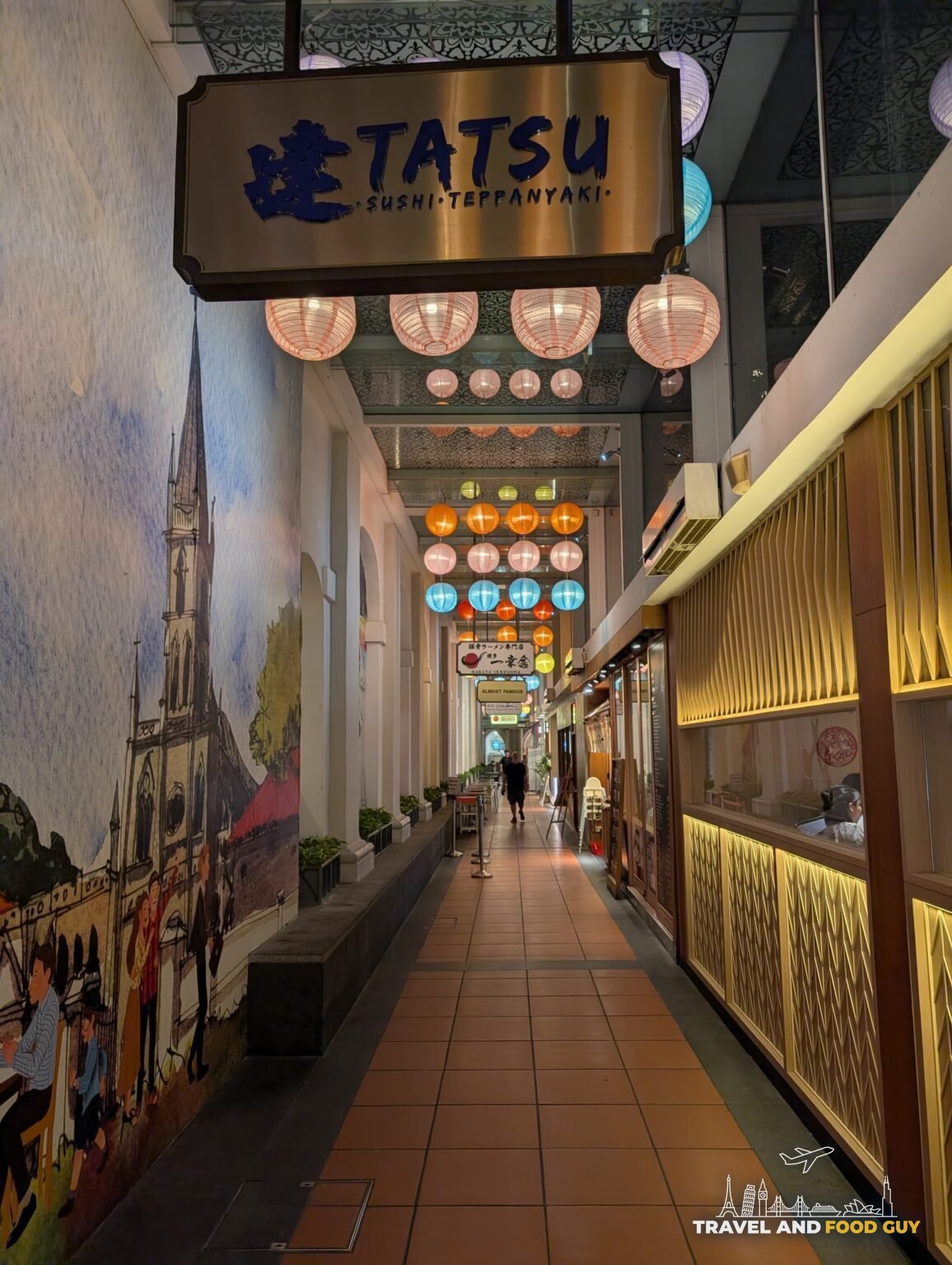
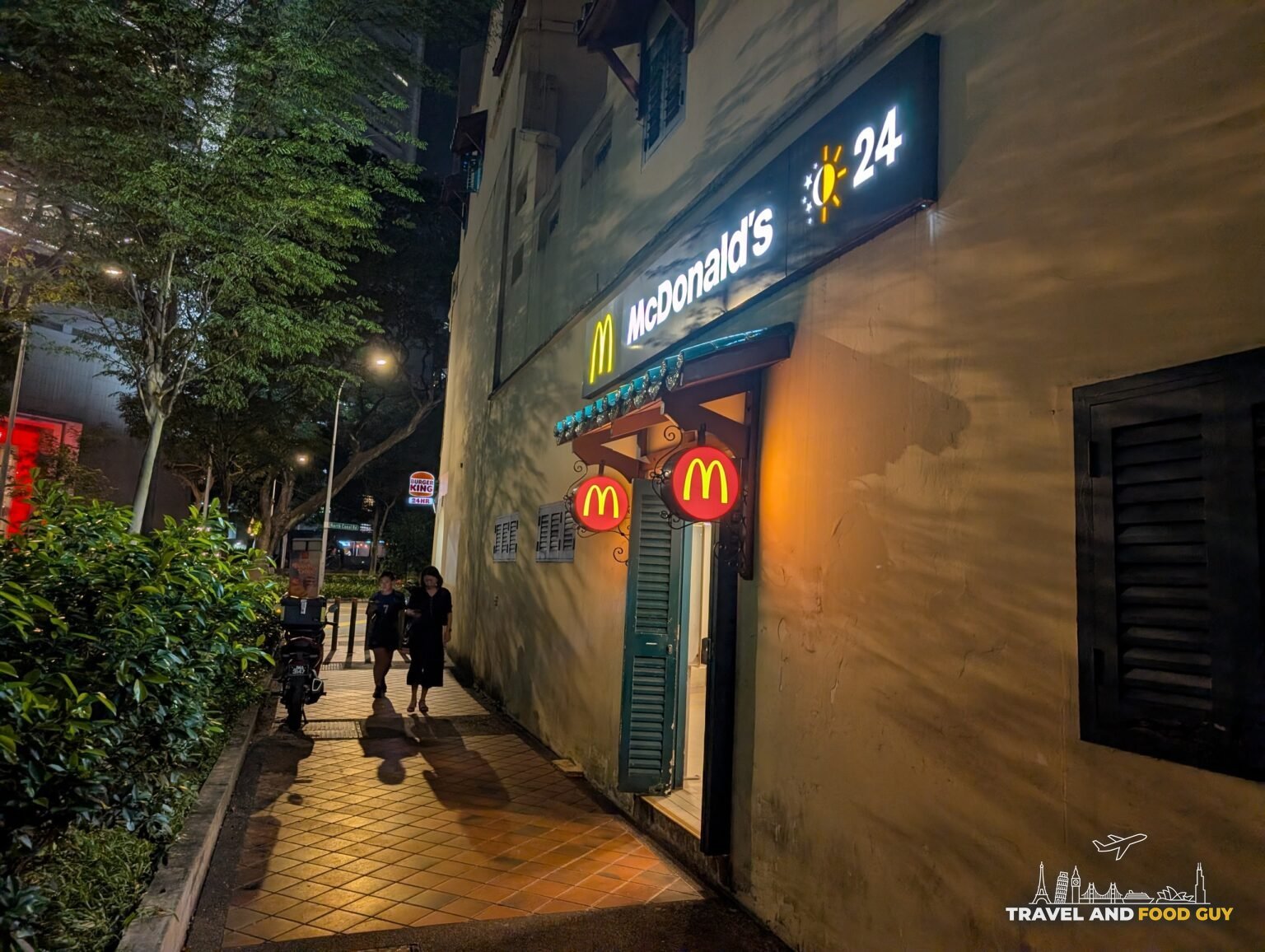
Bugis and Bras Basah, one MRT stop over, is the counterpoint. Colonial shophouses turned into bars and restaurants, paper-lantern alleys of Japanese teppanyaki spots like Tatsu, and a twenty four hour McDonald’s tucked into a heritage building that I walked past three times before I registered what it was. This is where the work traveler ends up after dinner. It is also fine for a family walk in the early evening before it fully turns into a bar street.
Long Bar at Raffles, Mid-Afternoon, for the Singapore Sling
The Long Bar at Raffles is where I would stop in mid-afternoon if I had the day free. It is a tourist bar, it is honest about it, and the Singapore Sling is a sweet, easy-drinking pink cocktail that is more about the room and the story than the drink itself. Put it between the daytime walk and the Marina Bay evening. It is one of the few places in the city that specifically rewards you for showing up on a slow visit rather than fighting the crowds after work. The full write-up on what to expect is in the link.
Sentosa, an Option for a Longer Stay
I haven’t visited Sentosa on any of these trips. It is the island resort area, with Universal Studios, beaches, Singapore Oceanarium (formerly S.E.A. Aquarium), and a cable car from HarbourFront. On the two day stopover I am proposing, I would stay in the city. With a third full day or a longer stay, Sentosa becomes an option I would research for the family rather than squeeze into an already full afternoon.
Why Your Cab Ride Out Takes 10 Minutes and the Ride Back Takes 3
This is the thing nobody warns you about, and it will confuse you the first time it happens. Singapore has a lot of one way streets and not many mid-block crossings the way you find them in most US or European cities. So when you take a cab from your hotel to a restaurant a few blocks away, the driver might go the wrong direction down the road for a mile, turn down another street for a half mile, do what looks like a U-turn, then head down a third street, then another U-turn to actually reach your destination. That ten minute ride out. On the way back, none of those U-turns are needed because you are heading the other direction on the one way grid, and the whole thing takes three or four minutes. It isn’t the driver taking you for a ride. It is just how the street network works.
Getting around is otherwise easy. The MRT is fast, cheap, and clean, and it will cover much of the city plan above. When it won’t, use Grab, which is the local equivalent of Uber or Lyft in the US. Compare the quoted fare with a taxi rather than assuming it will always be cheaper. If you are on a work trip and expensing rides, Grab produces a proper receipt directly to your email.
Where to Stay in Singapore for a Stopover
My default is the Singapore Marriott Tang Plaza, and I have stayed there on all three of my work trips. It is a Marriott Bonvoy property with the pagoda-roofed tower on Orchard Road, ION Orchard mall is across the street, reached through the underground passages, and it puts you fifteen to twenty minutes from Marina Bay by cab and twenty five to thirty five minutes from Changi depending on traffic.
Marriott currently lists M Club breakfast plus evening hors d’oeuvres, desserts, and cocktails from 5:30 to 7:30 p.m. Children under 12 are not permitted in the lounge. The standard Executive King room is a solid couple’s room, not a family-of-four room, so if you are traveling with two kids you are booking two rooms or a suite. One of my three stays got a Platinum upgrade to a suite, which was a nice surprise but not something to plan around. Full breakdown in the link. If you love shopping, this location is unmatched because the malls stack up in every direction from the front door.
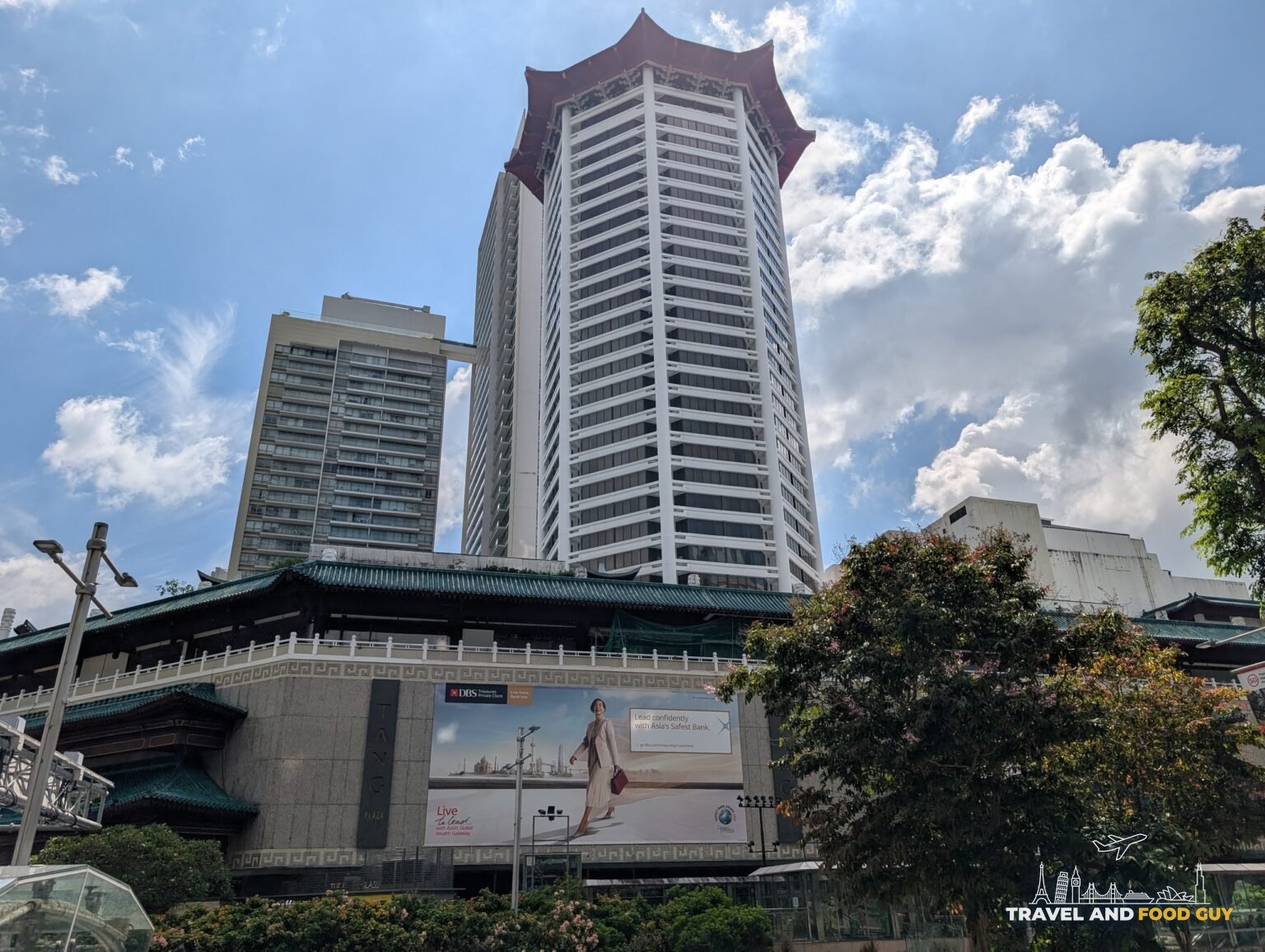
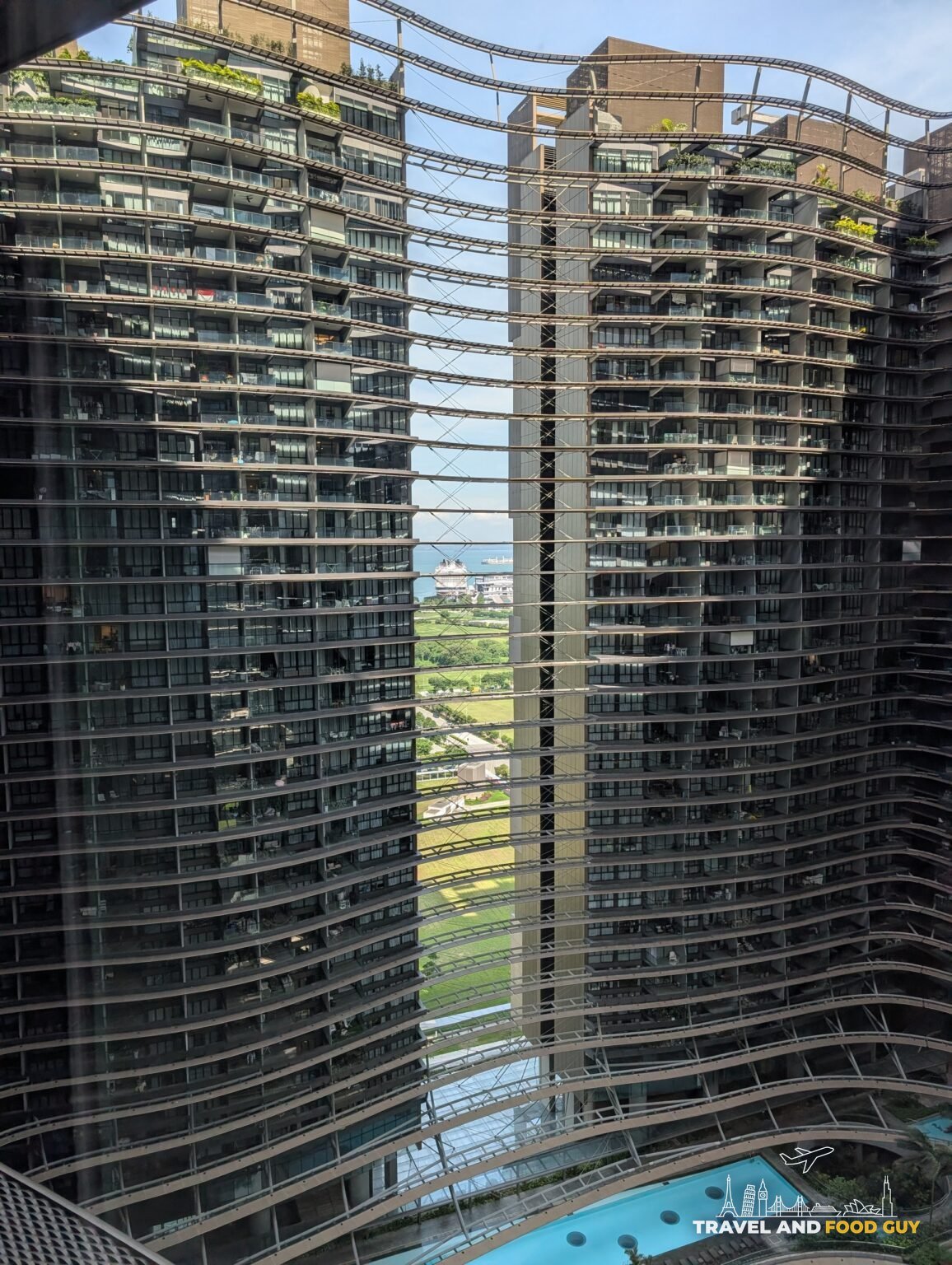
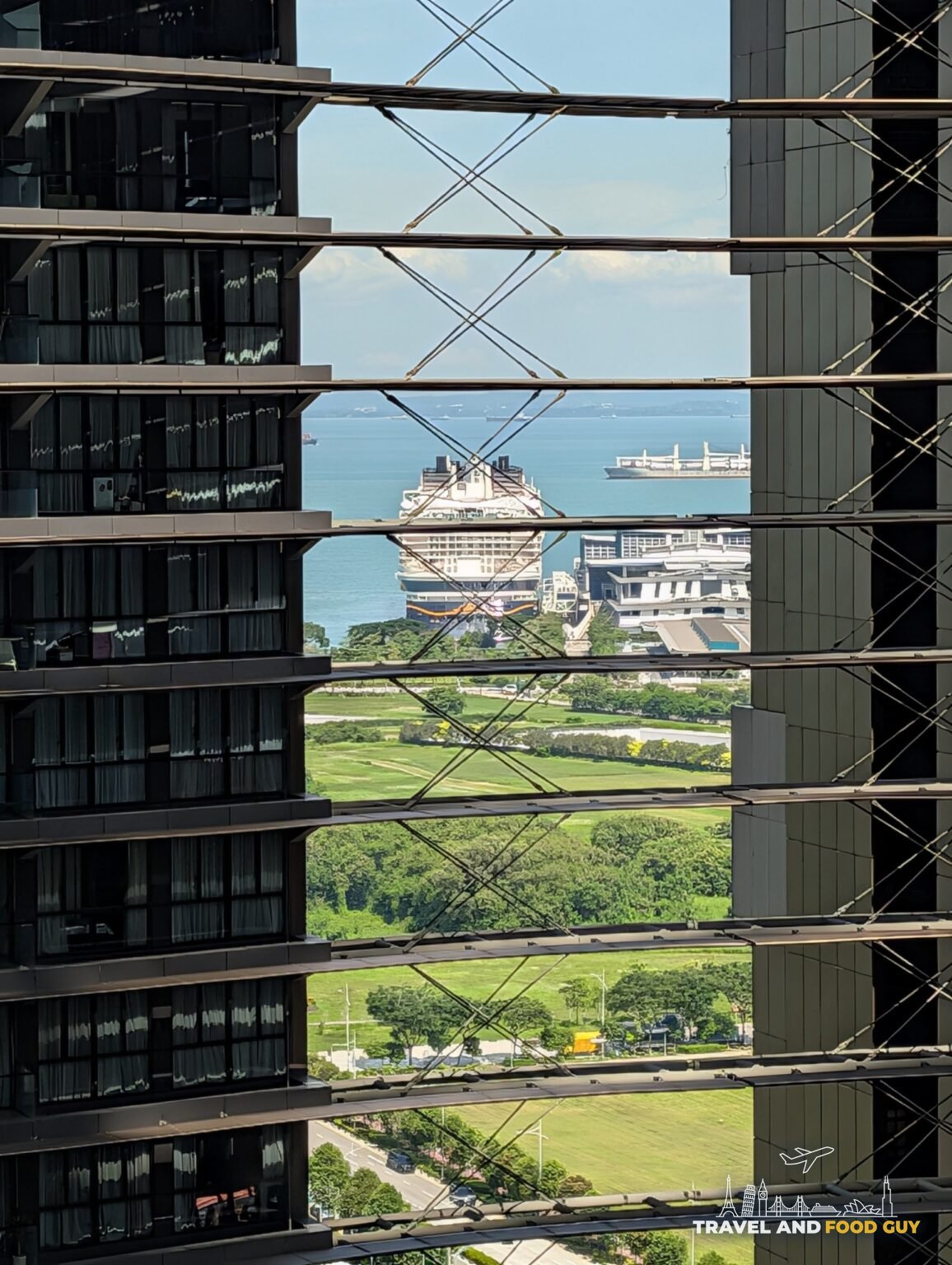
That said, there are a number of good options in the area around the Marriott and throughout the city. Marina Bay puts you in the middle of the postcard view but adds a taxi to almost every daytime plan. Kampong Glam and Bugis get you closer to the older neighborhoods and the shophouse walk. The area around HarbourFront and Keppel Bay is worth knowing about if you are also arriving or leaving by cruise (I looked out over the Singapore Cruise Centre from a Reflections at Keppel Bay tower on my last trip and it made me want to add a Southeast Asia sailing to the plan). Pick your neighborhood before you pick your hotel, and the rest works itself out.
Food, Woven Through, From Five Dollar Kiosks to Hundred Dollar Sushi
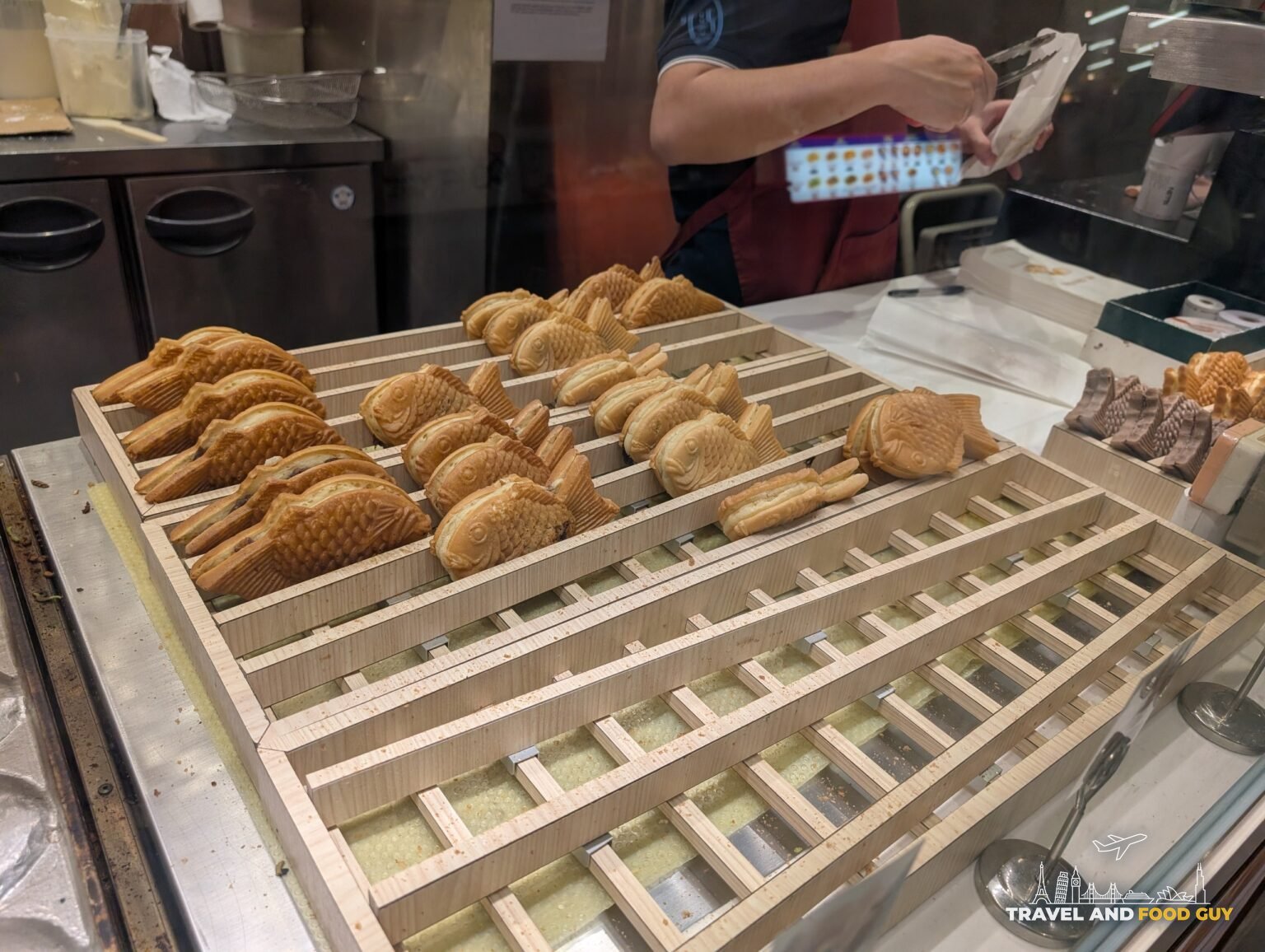
Singapore is a melting pot of Southeast Asian cultures, and it shows up on every menu. On one trip I had delicious Japanese food, Korean food, Chinese food, Malaysian food, and half a dozen things in between, at every price point I looked at. You can eat like a king for six US dollars at a kiosk in an underground pedestrian passage, and you can spend over a hundred dollars a person on omakase sushi the same night. Both are on the table. Here is how I would use that.
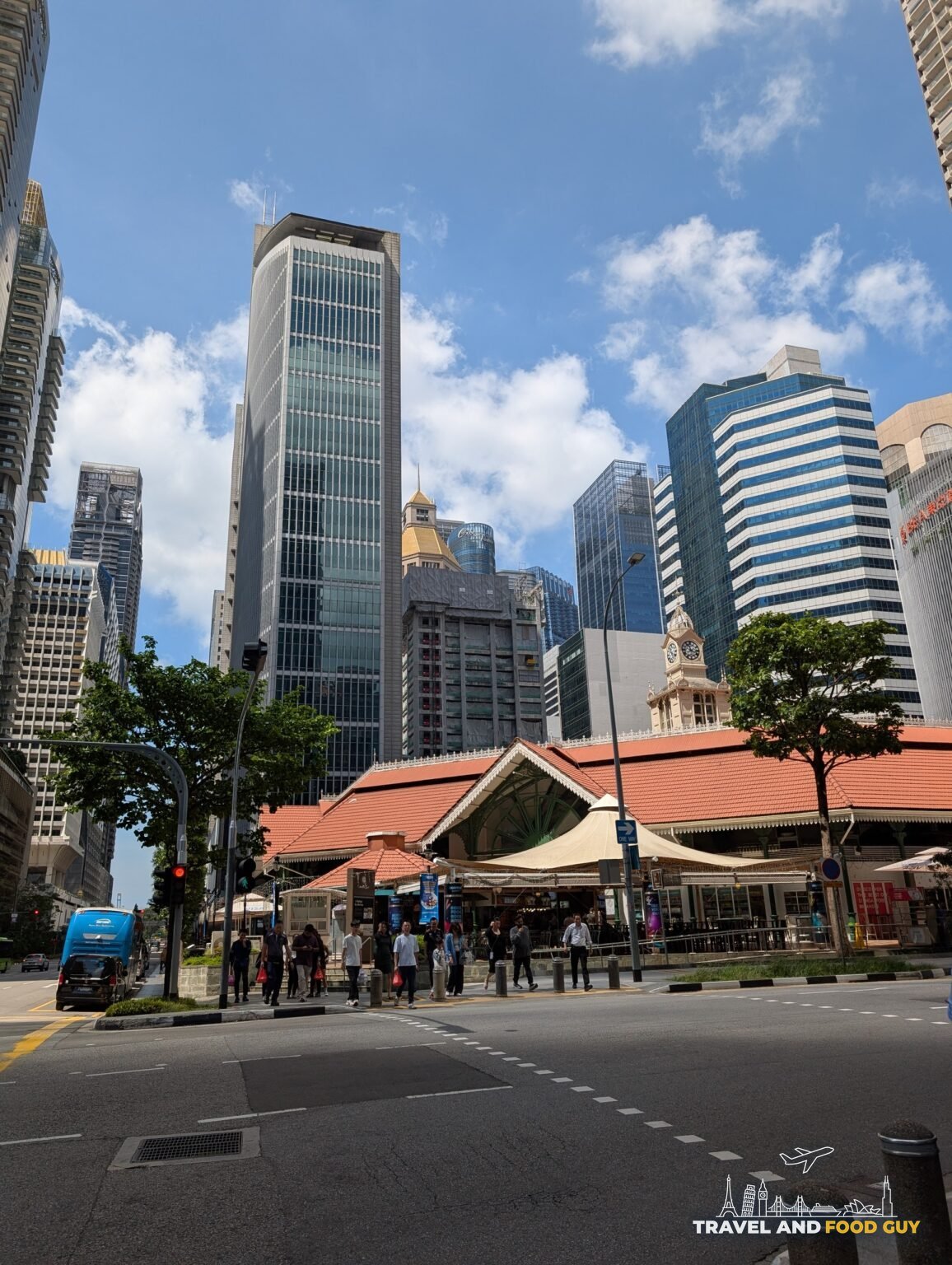
The hawker centers are part of the experience. Lau Pa Sat in the CBD is the one to see, the Victorian cast iron pavilion is a landmark on its own, and Satay Street runs the block outside it after dark with charcoal grills and plastic stools that seat you shoulder to shoulder with office workers on their way home. Go once during the day for the aircon and the wider stall selection, go once at night for the satay. It is worth both trips.
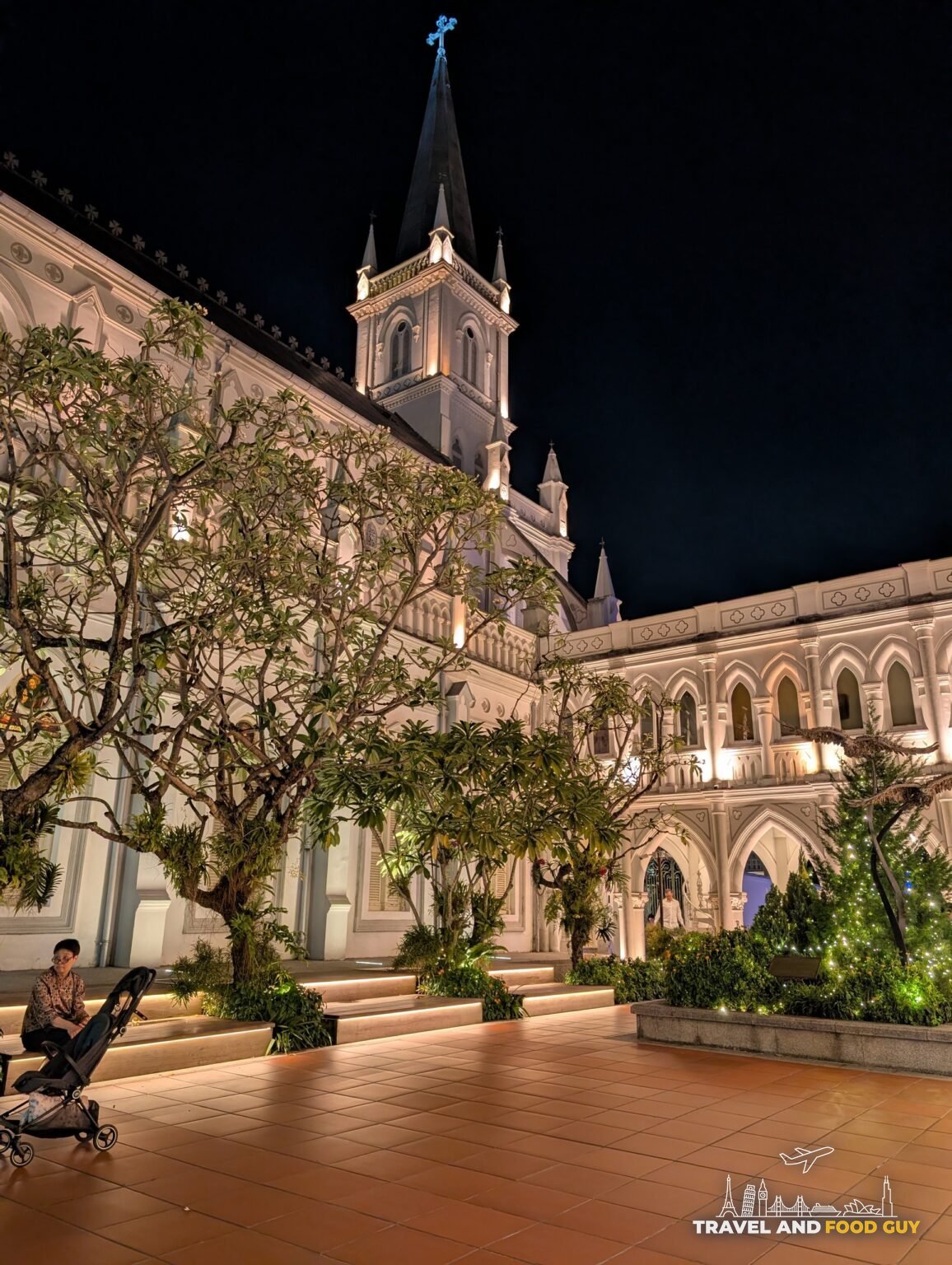
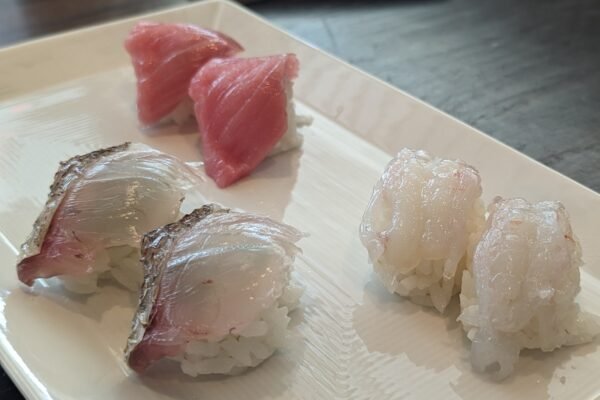
Off the hawker circuit, a few specific spots got their own write-ups from separate visits and are worth linking to directly. Hanashizuku is the Cuppage Plaza sushi spot a ten-year local pointed us to, and I wouldn’t have found it without him. Koma at Marina Bay Sands is a beautiful room, but the sushi wasn’t really worth the bill, honest review in the link. Broth and Beyond at CHIJMES was the hot pot my colleague researched for our work team and got right, three signature broths and a smoked duck that was the best thing on the table. Origin Bar at the Shangri-La is a good after-work cocktail stop, and what I had there was a new take on a Sazerac. These are the ones I have written up. There are twenty more on my list.
The five dollar version is what surprised me most and what I would tell every work traveler to try. Where I stay at the Marriott on Orchard Road, there is an underground passage system connecting the hotel to the mall across the street, and there are small vendors tucked into those passages selling laksa, kaya toast, kopi, wonton mee, and half a dozen other dishes for five to six US dollars a plate. It is fast, it is fresh, and it is the version of Singapore food that a lot of the guidebooks skip because it doesn’t photograph as well as a fifty dollar chili crab. It is what real Singapore eats on a workday lunch. For a family stopover, those smaller meals are one way to keep the food budget down without making every meal a sit-down restaurant.
Solo Work Verdict vs Family Stopover Verdict
Solo Work Trip, Three Evenings
On arrival, get to the hotel and sleep. First evening after work, dinner at a hawker center (Lau Pa Sat if you can walk there from your office, otherwise the one closest to your hotel), then a Marina Bay perimeter walk to catch the Supertree light show and the Apple floating dome. Another evening, Long Bar at Raffles for the Sling if work keeps you from the mid-afternoon visit I would prefer, then walk Bugis and Bras Basah, dinner at one of the shophouse spots (Tatsu if you want teppanyaki with a bar seat), a nightcap somewhere in the alley. On the last evening, dinner with the team at CHIJMES or Cuppage Plaza, then home to pack. That is a real Singapore trip. It isn’t the whole city but it is enough to know why you would come back.
Family Stopover, Two Full Days
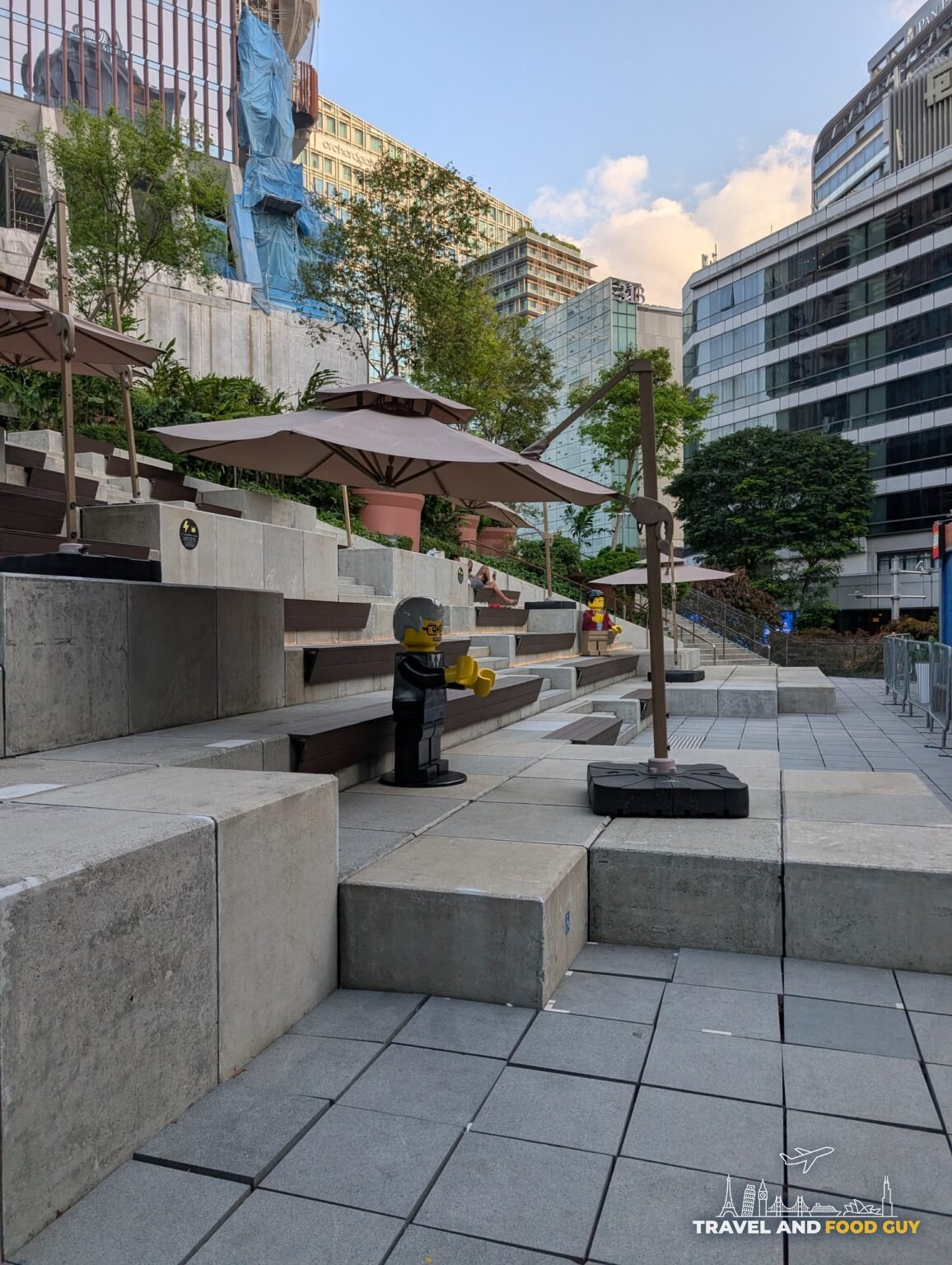
This is the plan I would use for a return with the family, based on three solo work trips rather than a family visit I have already taken. Land the night before, get to the hotel, sleep. Day one, choose a daytime walk in the older neighborhoods, with a hawker meal along the way. Leave the afternoon flexible for Long Bar if the adults want a Sling. Evening, Marina Bay perimeter walk, Supertree Grove light show, and time in front of the Apple floating dome.
Day two, morning at the Botanic Gardens (three to four hours, based on what friends and colleagues have told me), lunch at a hawker center or one of the underground kiosks near the hotel, then an afternoon walk on Orchard Road if everyone still has the energy. For dinner, I would consider Broth and Beyond at CHIJMES, which I enjoyed with my work team. The following morning, breakfast at the hotel, cab to Changi, next flight. That is the city-first two day Singapore stopover I would plan. Sentosa would need another full day.
Changi Is the Airport, But Singapore Is the City
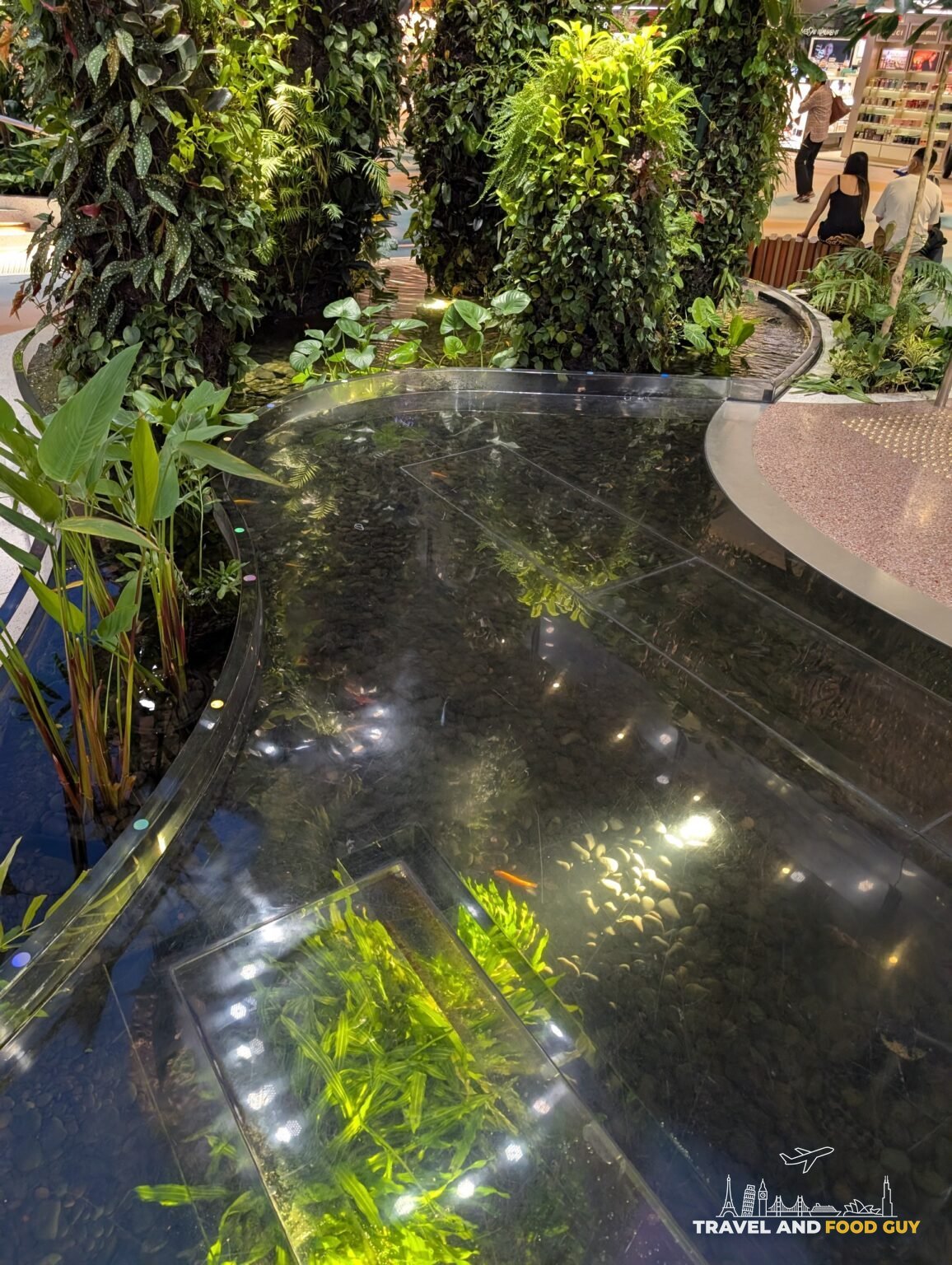
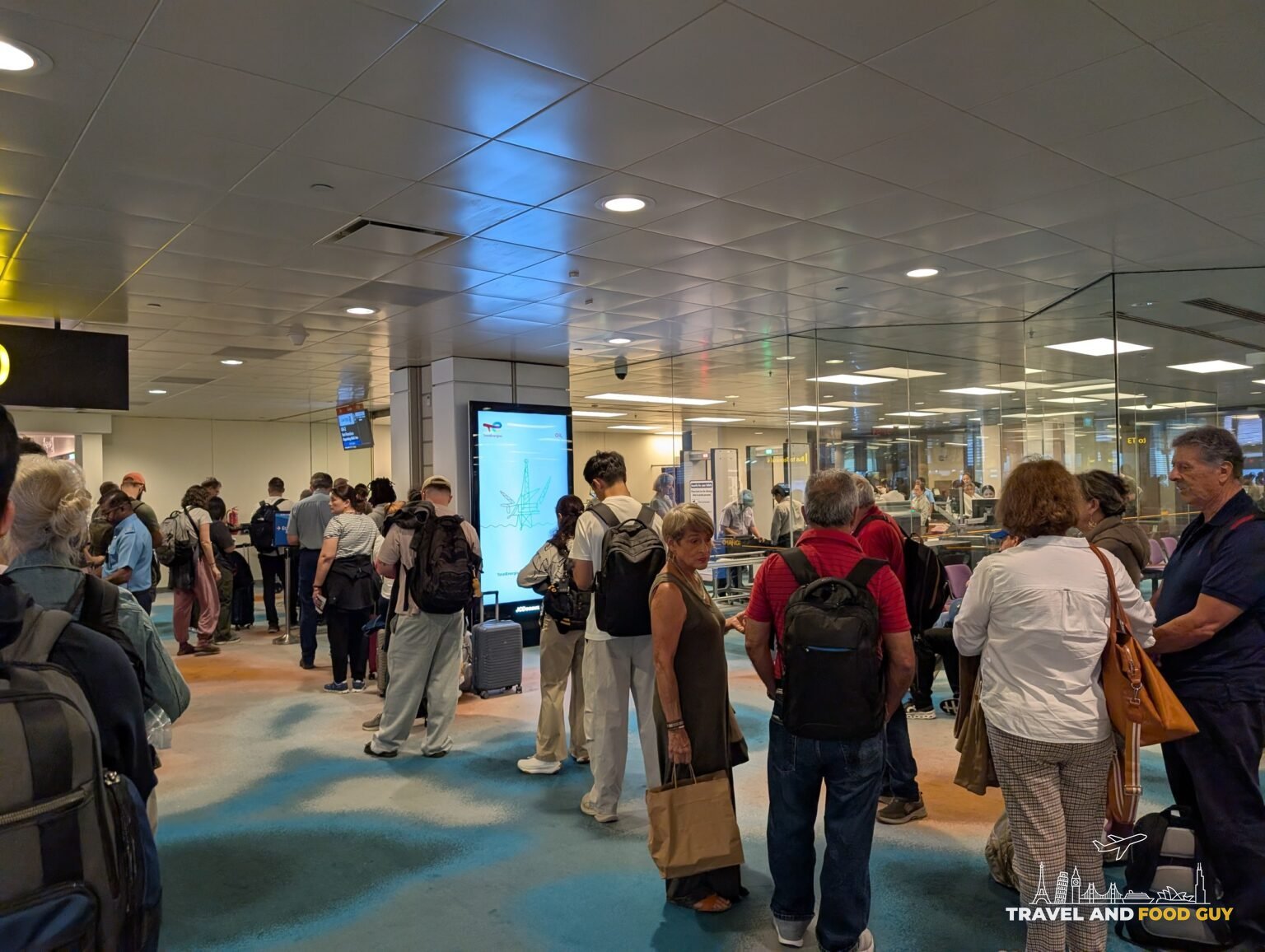
Every guide will tell you Changi is the best airport in the world, and it is a great airport. The Jewel waterfall, the transit hotels, the gardens, the fact that the terminals are a genuine pleasure to walk. Star Alliance Gold gets you into the SATS Premier Lounge at Terminal 2 before a United long-haul, and the KrisFlyer Gold Lounge at T2 is a fine hour if you get in there. Both write-ups in the links.
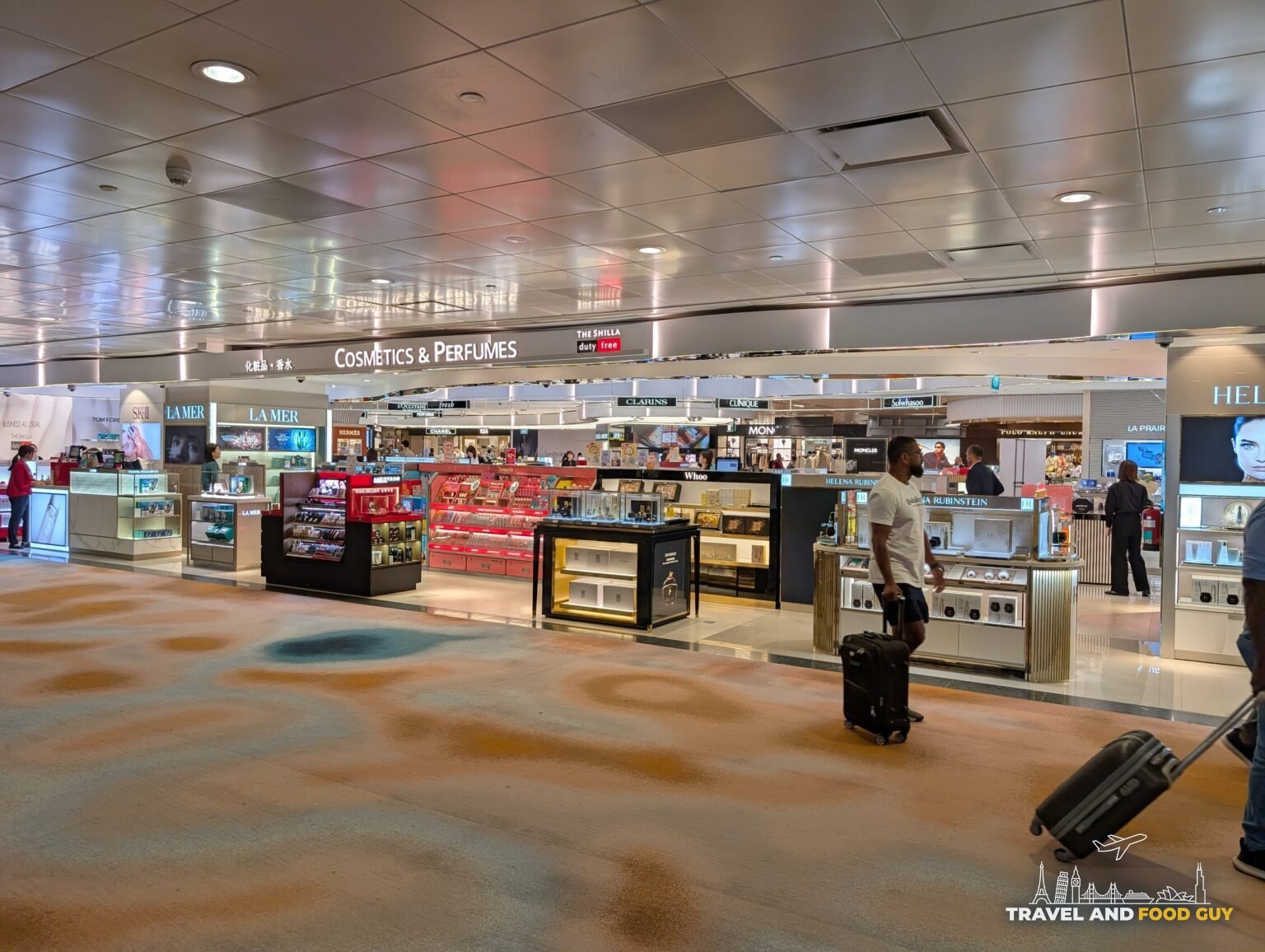
Here is what I would say against the airport-is-enough narrative. Changi’s duty free is genuinely huge, and the terminals do feel like a mall, but the actual selection and prices are about the same as any other major hub. It is a nice place to spend a six hour connection. It isn’t a substitute for spending a night in the city. If your itinerary gives you the choice, take the night out. Changi will still be there on the way home.
The Verdict After Three Trips
Singapore isn’t a layover. It is a small, dense, walkable, safe, spectacularly clean city that happens to be positioned at the front door of Southeast Asia, with an airport that makes the transition painless in either direction. If you are flying to Bali, Phuket, Bangkok, Ho Chi Minh City, or Kuala Lumpur, and you have two full days to spare, take them here. If you are on a work rotation like mine and you get evenings, use them. Even a short visit here pays off more than almost anywhere else I have been.
My next Singapore trip is going to be with the family. I still haven’t done the Botanic Gardens, or a full Marina Bay tour with the daytime version, or Sentosa, or half of the beaches. I have been three times and the city has more left in it than I have seen. That says a lot. You don’t end up with a list that long for a city that wasn’t worth the stopover.
Common Questions About a Singapore Stopover
How long do you need for a Singapore stopover?
Two full days. Land the night before, give yourself two full days morning to night, then travel on to the rest of Southeast Asia the following morning. That’s enough to leave feeling like you saw the city rather than ticking a box. Aim for midweek if you can choose, with arrival the night before and onward travel after your two full days. Weekends are busier, and the city is easier to enjoy when you aren’t fighting for a table.
Is Changi enough, or should you leave the airport?
Changi’s duty free is genuinely huge and the terminals do feel like a mall, but the selection and the prices are about the same as any other major hub. It’s a nice place to spend a six hour connection. It isn’t a substitute for spending a night in the city. If your itinerary gives you the choice, take the night out, Changi will still be there on the way home.
Is Singapore a good stopover on the way to Australia?
Technically it works, Singapore to Sydney is about seven hours and it does break up a long-haul route, but I’d save it for a Southeast Asia trip specifically. Singapore has flights around Southeast Asia, plus ferry connections to nearby countries. The time to reach a ferry terminal depends on where you stay and the traffic. Use it as the start or end of a Southeast Asia loop and it’s well worth it. Use it as a rest stop on the way to Australia and you’re wasting a city that could be your whole first leg.
Where should you stay for a Singapore stopover?
My default is the Singapore Marriott Tang Plaza, which I’ve used on all three work trips. It’s the pagoda-roofed Bonvoy tower on Orchard Road with ION Orchard across the street via the underground passages, fifteen to twenty minutes from Marina Bay by cab and twenty five to thirty five from Changi depending on traffic. Marriott lists breakfast and evening food and cocktails from 5:30 to 7:30 p.m. at M Club, with children under 12 not permitted. The standard Executive King is a solid couple’s room rather than a family-of-four room, worth knowing before you book it for four.
Why does the cab ride back take a fraction of the time the ride out did?
One way streets. Singapore has a lot of them and not many mid-block crossings compared with most US or European cities, so a cab to a restaurant a few blocks away can go the wrong direction for a mile before it doubles back, while the return trip runs straight. It’s not the driver padding the fare, and it’s worth knowing before you start second-guessing a ten minute trip that should have been three.
Have you done a Singapore stopover on the way to Southeast Asia? Which stop would you skip and which one would you swap in? Leave a note in the comments, and if you are thinking about building a Singapore stopover into a bigger trip and want a second read on the plan, drop it in the comments and I will tell you what I would do.